













Doodle Baseball: A Whimsical Game of Reflexes and Fun
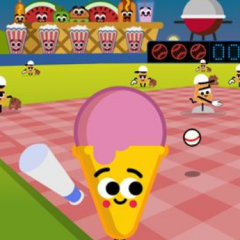
Doodle Baseball is not your typical sports simulator. It takes a well-known sport—baseball—and reinvents it through the lens of humor, simplicity, and stylized animation. Created as a celebratory Google Doodle for U.S. Independence Day, the game features animated food characters competing in a light-hearted version of baseball that emphasizes timing, reaction, and entertainment over realism.
While the rules are straightforward, the clever presentation and escalating difficulty make Doodle Baseball both accessible and surprisingly challenging. Let’s break down every element that makes this game memorable and worth revisiting.
The Setup: Baseball With Snacks
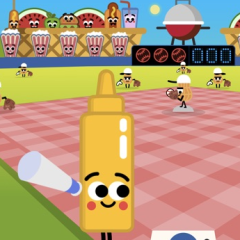
The first thing that sets Doodle Baseball apart is its unusual cast. You don’t play as a human athlete. Instead, you control a cartoon hot dog at bat, with teammates and opponents made of food and condiments—soda cups, popcorn, mustard bottles, and even slices of cheese. These animated characters act out classic baseball roles with comic exaggeration, bouncing, tumbling, and celebrating with energetic gestures.
The opposing team includes similar snack-based players, some of whom act as fielders while others throw the pitches. Each character is designed with charm and a touch of absurdity, reinforcing the game’s casual and humorous tone.
Core Gameplay: Click and Hit
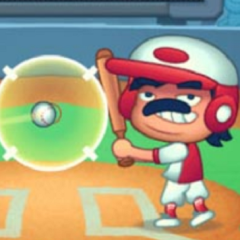
At its core, Doodle Baseball uses an ultra-simple control scheme: click (or tap) to swing the bat. That’s it. There’s no movement, aiming, or advanced strategies to worry about. Instead, success depends entirely on timing.
Once the pitch is released, the player must time the swing precisely to connect with the ball. Hitting too early or too late results in a strike. Three strikes equal an out. The game continues until the player accumulates three outs. In between, the goal is to hit the ball as often—and as effectively—as possible to rack up runs.
Types of Pitches
As the game progresses, the speed and style of the pitches begin to vary. Early on, balls move slowly in a straight line, giving players time to warm up. But soon enough, you’ll face tricky pitches that curve, spin, or zip by at unexpected angles.
Common Pitch Types:
- Slowballs: Good for early-game practice. Easy to time.
- Fastballs: Require quicker reflexes. Often fly past if mistimed.
- Curved Throws: These drift slightly in the air, testing your reaction and adaptation.
- Change-Ups: Appear fast at first, then slow down at the last second, baiting premature swings.
The unpredictability of pitch types is what gives Doodle Baseball its depth. It keeps each at-bat engaging and demands adjustment on the fly.
Scoring Runs
When the player successfully hits the ball, the hot dog character runs toward first base. How far it gets depends on the strength and timing of the hit. A weak contact may result in a single or be caught by a fielder. A well-timed hit, however, might soar past everyone for a home run.
Players don’t control the running. That part is automatic. Instead, the focus stays entirely on the swing. This design choice streamlines the game and keeps the action fast-paced and easy to follow.
Ways to Score:
- Single: Ball lands close, allowing one base advancement.
- Double or Triple: Hit travels farther before retrieval.
- Home Run: Ball flies over the outfield with no chance of return.
The satisfaction of watching your hot dog round the bases after a solid hit never gets old.
Increasing Difficulty
Doodle Baseball starts out easy, but it gradually ramps up. The speed of the ball increases, and the fielders become more active and precise. While the mechanics never change, the timing window narrows, and mistakes become easier to make.
This progression gives the game a natural difficulty curve. New players won’t feel overwhelmed right away, but seasoned players will still find a challenge as they aim to beat their previous high scores.
Sound and Animation Style
While gameplay carries the core, the atmosphere completes the package. The animations are smooth and expressive, giving life to every character. The background resembles a festive stadium filled with moving fans, colorful flags, and fireworks.
The sound design is minimal but effective. The crack of the bat, crowd reactions, and musical flourishes all support the action without becoming overwhelming.
Replay Value and Player Motivation
One of Doodle Baseball’s strongest aspects is how easily it encourages replay. With such a short learning curve, it’s easy to start another round immediately after a loss. Whether trying to break a high score, experiment with timing, or just enjoy the playful aesthetic, players often find themselves diving back in for “just one more try.”
Replay Motivators:
- Beat your last score
- Improve swing accuracy
- Learn to read pitch styles
- Watch new animations from the characters
- Try hitting multiple home runs in one game
The game doesn’t track stats long-term, but the internal challenge of getting better is enough to keep players coming back.
Tips for Better Performance
If you’re aiming to improve your runs in Doodle Baseball, consider these helpful strategies:
- Observe Pitch Speed: Every pitch gives you a moment to judge its speed before it reaches the plate. Use that window to decide your timing.
- Stay Calm: Reacting too fast is a common mistake. Let the ball come closer than you think before swinging.
- Avoid Guessing: The temptation to swing early can lead to quick strikeouts. Stay focused on reacting, not predicting.
- Track Your Rhythm: Once you get into a groove, try to maintain the same mental pace between swings.
- Ignore the Scoreboard (Sometimes): Playing for fun rather than numbers can reduce pressure and improve performance.
Why Doodle Baseball Works
The brilliance of Doodle Baseball lies in its balance. It’s visually fun, mechanically easy, and subtly difficult. It respects the player’s time by offering immediate gameplay without tutorials or menus. And although it’s built on a humorous theme, it captures the essence of what makes baseball exciting—timing, contact, and scoring.
Despite its origins as a holiday-themed mini-game, Doodle Baseball has maintained a strong presence thanks to its simplicity and universal appeal. It doesn’t require deep strategy or fast reflexes to enjoy, yet it offers enough variation to keep experienced players engaged.
Conclusion
Doodle Baseball is a rare example of a game that achieves more with less. One button, one objective, and a handful of charming characters are all it needs to deliver a consistently enjoyable experience. It’s the kind of game that entertains in short bursts, challenges your reaction skills, and adds a smile to your face with every pitch.
Whether you’re playing to kill a few minutes or to chase a personal high score, Doodle Baseball offers the perfect mix of light competition, intuitive controls, and visual charm. It’s proof that sometimes, all you need to make a great game is a hot dog with a bat and a soda in the outfield.
FAQ
How do you play Doodle Baseball?
You control the batter and click or tap to swing when the ball reaches the plate. Timing your swing accurately is the key to scoring runs.
What happens if you miss the ball?
Each miss counts as a strike, and three strikes result in one out. The game ends after three outs total.
Can you control the base running?
No, running is automatic after a successful hit. The only action the player controls is the swing.
Do the pitches change during the game?
Yes, pitch speed and movement increase as the game progresses. Some pitches are fast, while others curve or slow down unexpectedly.
Is there a way to win or beat the game?
The goal is to score as many runs as possible before getting three outs. It’s a high-score-based game with no final level or ending.
